You Don't Know What You Don't Know
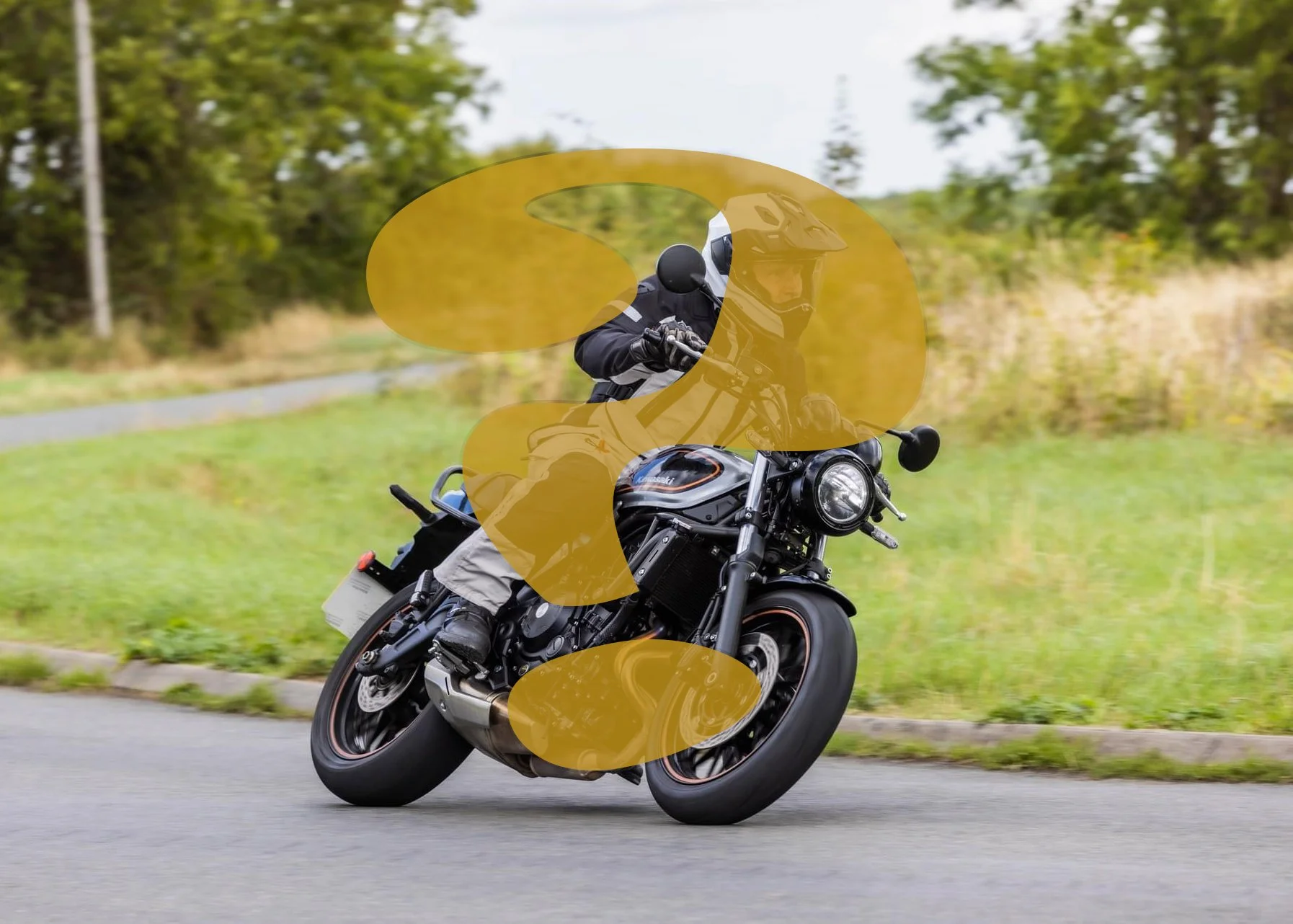
How do you know you're riding as well as you could be?
It's a question that makes some riders uncomfortable.
Not because they don't think they're good riders, but because they have absolutely no way of knowing whether they're right.
Recently I spent almost five hours driving through Wales in a van to collect a motorcycle. It was one of those glorious summer days. Blue skies, warm tarmac and some of the finest riding roads the UK has to offer.
As you'd expect, there were motorcycles everywhere.
Adventure bikes. Sports bikes. Tourers. Nakeds. Cruisers.
As a rider, I enjoyed seeing them all.
As a coach and mentor, I couldn't help analysing every rider I passed.
What I saw genuinely saddened me.
Not because people were riding recklessly. In fact, most weren't. They were out enjoying themselves, riding roads they loved, spending a perfect day on two wheels.
But almost every rider could have been riding significantly better.
Not a little bit better.
A lot better.
The Problem Is You Can't See What You Can't See
Every rider develops habits.
Some are good.
Some are harmless.
Some slowly become limitations.
The trouble is, once you've repeated something thousands of times, it feels normal.
It feels right.
It feels like the best way.
Until someone shows you there's a better way.
How do you know your corner position is giving you the best view?
How do you know you're braking later than necessary?
How do you know you're missing overtaking opportunities that are actually safe?
How do you know you're taking overtakes that aren't as safe as you think?
How do you know your observations are really effective?
How do you know you're using all of the information the road is giving you?
The honest answer?
You don't.
Experience Doesn't Automatically Equal Improvement
Many riders proudly say they've been riding for twenty or thirty years.
That's fantastic.
But here's another question.
Have you been improving for thirty years...
...or simply repeating the same riding for thirty years?
Experience is valuable.
Deliberate improvement is priceless.
Without feedback, experience often reinforces habits rather than develops skills.
I Saw Riders Working Hard
One thing really stood out during that journey.
Many riders looked busy.
Constantly adjusting their speed.
Correcting their position.
Braking harder than they needed to.
Accelerating harder to make up for it.
Looking tense.
Their motorcycles were doing exactly what they were were told to do.
The riders simply weren't giving them the best instructions.
Smooth riding isn't about going slower.
It's about making the motorcycle work with you instead of constantly asking it to recover from your decisions.
Ironically, smoother riders often make faster, safer progress while appearing almost effortless.
Good Riding Should Feel Easy
The best riders I've coached rarely look dramatic.
They don't throw the bike around.
They don't rush every overtake.
They don't chase every rider in front.
Everything appears calm.
Measured.
Relaxed.
Yet they cover ground efficiently because they're reading the road earlier, making better decisions and giving themselves more options.
Good riding is rarely exciting to watch.
It simply works.
The Biggest Blind Spot Is Your Own Riding
Every rider has blind spots.
Not on the motorcycle.
In their knowledge.
You simply don't know what you haven't yet learned.
That's true whether you've held your licence for six months or forty years.
I've coached riders who've passed advanced tests and still discovered better ways to read corners.
I've coached riders who've covered hundreds of thousands of miles and completely transformed their overtaking strategy.
Not because they were poor riders.
Because nobody had ever shown them another way.
So How Good Are You Really?
Here's a challenge.
Imagine someone followed you for an hour.
Would they honestly say your riding couldn't be improved?
Would they say every bend was approached in the best position?
Every overtake perfectly judged?
Every observation timed exactly right?
Every hazard anticipated?
If the answer is "probably not"...
...isn't it worth finding out where those improvements are?
That's What Coaching Is For
Post-test coaching isn't about passing another exam.
It isn't about collecting certificates.
It certainly isn't about someone telling you off.
It's about discovering what you don't yet know.
Sometimes one small change to your observations transforms your confidence.
Sometimes a different road position opens up an entirely new view through bends.
Sometimes learning to read the road further ahead makes riding noticeably less tiring.
These aren't tricks.
They're skills.
And once you've learned them, you wonder how you ever rode without them.
You Don't Know What You Don't Know
None of us likes to think there are gaps in our riding.
But every rider has them.
The difference is whether you're prepared to find them.
The riders I saw in Wales were enjoying themselves.
Imagine how much more enjoyable their riding could have been if they had better vision, better positioning, smoother control, more confidence and less effort.
Motorcycling is already one of life's greatest pleasures.
The right coaching doesn't change that.
It simply helps you enjoy every mile even more.
If you've never had an independent riding assessment, perhaps it's time to ask yourself one simple question:
How do I know I'm riding as well as I could be?
Because if you don't know...
you probably don't know what you don't know.
About SmoothRider
SmoothRider provides personalised one-to-one motorcycle mentoring to help riders become smoother, safer and more confident. Through practical coaching on real roads, you'll learn how observation, planning and smooth control inputs work together to make every journey more enjoyable.